Tea Making
Benefits of tea over other herbal preparations:
Tea has been taken as medicine for thousands of years. it is one of the cheapest and easiest ways to administer herbs. Tea is better, because of the water content, for medicine pertaining to cleansing and flushing of the liver, kidneys, urinary system and blood. Medicinal grade teas tend to be stronger than the typical tea bag.
cons of tea: Teas have a short shelf life and need to be prepared at-least every other day. Some herbs taste bad have a low compliance rate on the person actually ingesting the herbal medicine.
Tea can be made with either fresh or dried herb in most cases. Can usually store brewed tea for up to 2 days in the refrigerator. Teas can generally have sweetener, juice, or tincture added to them to enhance the flavor or medicinal qualities.
Infusion:
This technique is used for leaves, berries and plants high in volatile oils. This is the “typical” making a cup of tea- pouring hot water over herbs. Herbs that do well as an infusion are chamomile, cleavers, dandelion leaf, elder flowers and berries, ginkgo, mugwort, mullein leaf, peppermint, plantain, skullcap, valerian (this is a root but very aromatic), holy basil, yarrow
To make a hot infusion:
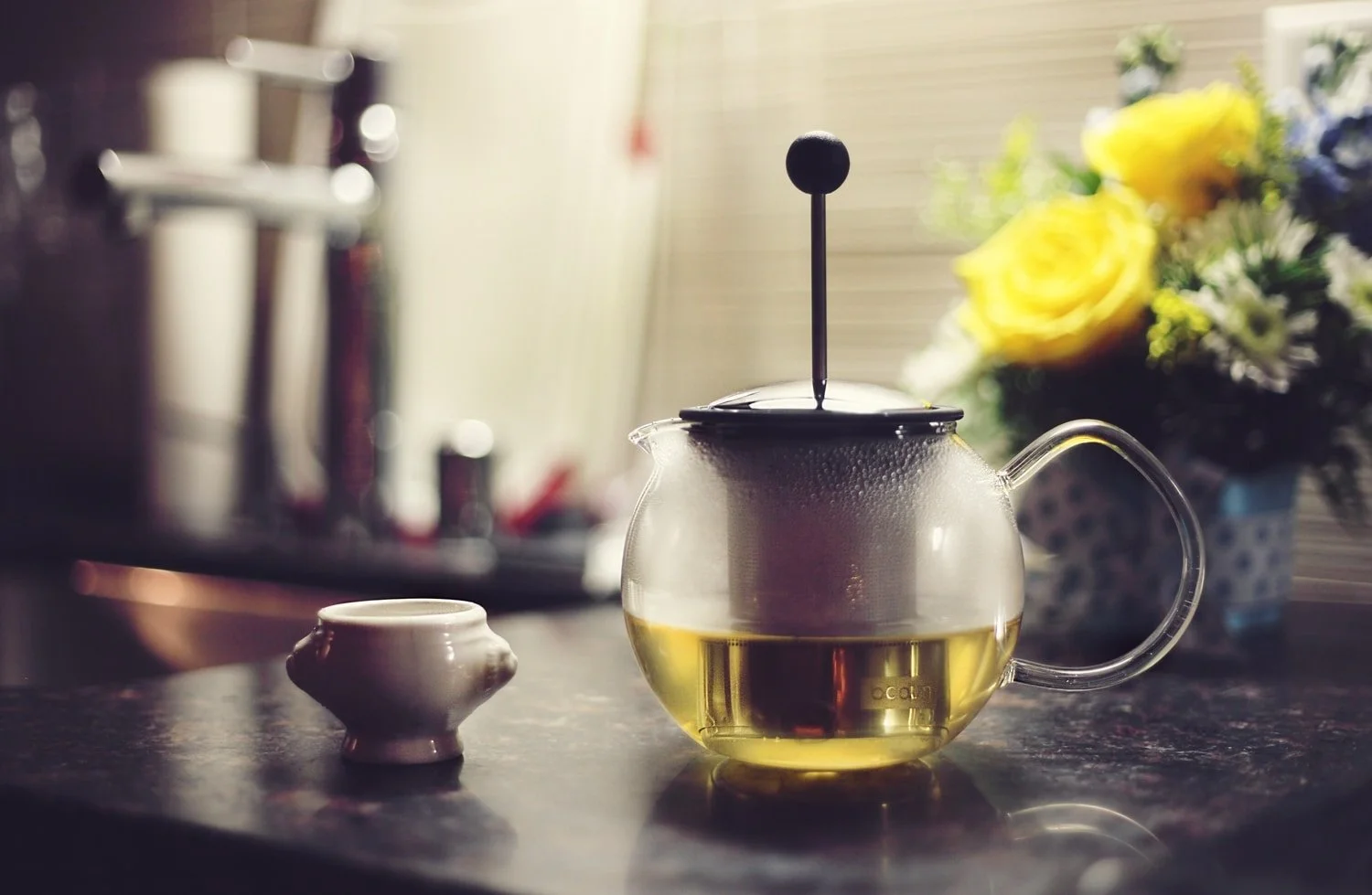
Put the herb into a suitable vessel (jar, tea pot, french press, etc.), preferably with a lid. The amount of herb to water ratio varies depending on strength and herb used. generally I use 1/2 to 1 oz of herb to a quart of water, but some herbalist double this strength.
Pour boiling water over the herb, stirring to make sure all the herb is immersed in the water.
cover the vessel with the lid and let is stand for 20 to 30 minutes
Strain, and possible press out the plant material to get all the juice out.
For many herbs I keep the marc (the used plant material) and pour hot water over it again, getting a weaker but second infusion out of it.
Cold infusion: This is used for mucilaginous herbs such as marshmallow and slippery elm as to not make them too slimy and herbs with a-lot of tannins such as uva ursi, when we don’t want the hot water to extract as much of that plant constituent.
Put the herb in a container, pour cold water over it, and let it sit one hour to overnight. Using the same strengths as hot infusion.
After desired amount of time, strain, and press out the marc
Overnight infusion: This technique is used for nutritive teas such as nettles or oat straw. Pour boiling water over the herb and let it sit at room temperature overnight. Strain.
Decoction:
This technique is for hard plant material such as roots, bark, and seeds. Strong decoctions can be a base for an herbal syrup. Herb that are well prepared as a decoction are: black cohosh root, burdock root (this does well as a cold infusion also), cramp bark, dandelion root, echinacea root, ginger root, dried mushrooms, ginseng root, willow bark, yellow dock root.
Place the herb and water in a vessel that can be put on the stove, preferably glass or ceramic, but metal can be used also. 1/2 oz of herb to 1 quart of water. Add cold water to the herb. Decoctions can also be made in a crock pot.
Bring water to a slow boil, then decrease heat to a simmer, cooking for 20 to 40 minutes.
Let cool a bit, strain, and drink. refrigerate up to 2 days. I find roots can usually be decocted a second time.